When you commission a mobile app for your business, the development cost is clear and tangible. You receive quotes, compare proposals and sign a contract with a defined price. What catches many UK business owners off guard, however, is the ongoing financial commitment required after launch day. Mobile apps aren't like websites that can remain largely unchanged for years - they demand continuous investment to remain functional, secure and competitive.
The reality of platform evolution
Apple and Google release major operating system updates annually and these updates frequently require corresponding changes to your app. When iOS or Android introduces new features, deprecates old APIs or changes security requirements, your app needs to adapt. Failing to update means your app may eventually become incompatible with newer devices or, worse, be removed from the app stores entirely.
This isn't a one-off adjustment. Each year brings new requirements and each requirement demands developer time to implement and test. For a business app with moderate complexity, you should expect to allocate several days of development work annually just to maintain compatibility with the latest operating systems. This doesn't add new features or improve functionality - it simply keeps your app running as intended.
In 2025, Google’s requirement that all Android apps support 16Kb page sizes is a good example of a technical requirement imposed on all app owners that demanded updates to an app’s code and a new version release.
Server infrastructure and data storage
Unless your app operates entirely offline, you're running server infrastructure to support it. This includes hosting costs, database management, API gateways and often content delivery networks to ensure fast performance across the UK and beyond. These expenses scale with the number of users you support. An app serving a hundred users costs considerably less than one supporting ten thousand and your infrastructure budget needs to grow accordingly.
Cloud hosting services often charge based on usage, which means your monthly bills can fluctuate. A successful marketing campaign that doubles your user base will also increase your hosting costs. You'll need monitoring systems to track server performance and alert you to issues before users notice them. All of this requires not just financial investment but also technical expertise to manage effectively.
Third-party services and APIs
Most modern apps integrate with external services - payment processors, analytics platforms, push notification services, mapping APIs, authentication providers and more. Each of these comes with its own pricing structure and many operate on tiered models where costs increase as your usage grows.
Payment processing fees are particularly significant for eCommerce apps, usually taking a percentage of every transaction. Push notification services charge based on the number of messages sent. Mapping and location services such as Google Maps often have generous free tiers but once you exceed those limits, costs can escalate quickly. You need to understand the pricing models of every service your app depends on and factor these into your ongoing budget.
Some services also change their pricing over time or discontinue free tiers. Twitter's API, for instance, moved from free access to a paid model, forcing countless businesses to either pay up or rebuild their apps without that integration. Your app's dependencies create ongoing financial obligations that sit outside your direct control.
Security patches and vulnerability responses
Security isn't a one-time consideration. New vulnerabilities emerge constantly, both in the underlying platforms and in the libraries and frameworks your app uses. When a security flaw is discovered, you need to respond quickly - often within days - to protect your users and your business.
This means maintaining a relationship with developers who can implement security patches promptly. You can't simply wait until your next planned update when a critical vulnerability is actively being exploited. Emergency fixes require immediate availability and rapid deployment, which typically comes at a premium if you're working with external developers.
Beyond reactive patches, you should conduct periodic security audits to identify potential vulnerabilities before they're exploited. This proactive approach costs money upfront but potentially saves you from far greater expenses associated with data breaches, including legal fees, regulatory fines under UK GDPR and reputational damage.
App store fees and administration
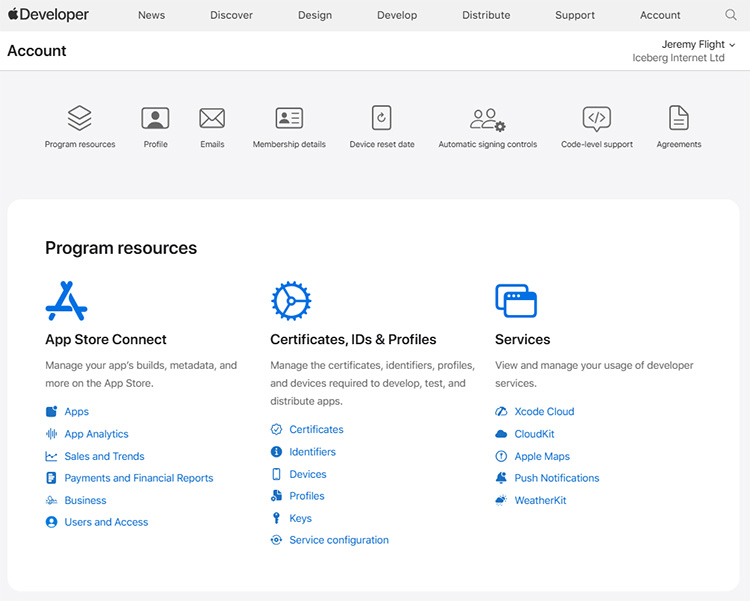
Apple charges an annual fee for membership in the Apple Developer Programme, which is required to distribute apps through the App Store. Google charges a one-time registration fee for the Google Play Store. These are modest expenses individually but they're recurring obligations that many business owners forget to factor into their long-term budgets.
More significantly, both platforms take a commission on in-app purchases and subscriptions – usually between 15 and 30% of revenue, depending on your business model and size. For subscription-based apps, this commission applies to every renewal, meaning it's an ongoing cost rather than a one-time deduction. If your app generates revenue through these channels, this commission significantly affects your profitability.
Customer support infrastructure
A successful app attracts users and users inevitably have questions, encounter problems or request assistance. You need infrastructure to handle support requests, whether that's dedicated staff, help desk software, or chatbot systems. The cost of support scales with your user base and the complexity of your app.
Some issues require technical investigation, meaning your developers need to be available to diagnose and resolve problems that customer service staff can't handle. This ongoing technical support represents a significant hidden cost, particularly for apps with complex functionality or integrations with other business systems.
Adapting to changing user expectations
User expectations for mobile apps continuously evolve. Features that seemed impressive three years ago now feel dated. Design patterns change. New interaction models emerge. To remain competitive, your app needs periodic refreshes that go beyond basic maintenance.
This doesn't mean a complete rebuild every year, but it does mean investing in improvements that keep your app feeling current. This might include redesigning key screens to match contemporary design standards, adding features that users now expect as standard or improving performance to match what users experience with newer apps.
Planning for the long term
The most effective approach to managing these ongoing costs is treating them as operational expenses rather than unexpected surprises. When budgeting for a mobile app, factor in an annual maintenance cost of at least fifteen to twenty per cent of the initial development cost. For more complex apps or those with rapidly growing user bases, this percentage may need to be higher.
Establish a relationship with your development team that extends beyond the initial build. Having developers who understand your app's architecture and business logic makes maintenance more efficient and less expensive than repeatedly hiring new contractors to fix issues or implement updates.
Mobile apps represent a significant ongoing commitment, not a one-time investment. By understanding and planning for these hidden costs from the outset, you can ensure your app remains a valuable business asset rather than becoming a financial burden that drains resources without delivering returns. The key is viewing your app as a living product that requires continuous nurturing, not a completed project that simply needs the occasional fix.

 Back to all articles